In the fields of Ica, blueberries, asparagus, and grapes grow, reaching supermarkets in the United States, Europe, and other parts of the world. But behind every fruit exported from the desert, there is more than just flavor: there is water. A lot of water. And, increasingly, scarcity.
A report by Water Witness, published in December 2024, warns that Ica faces a water emergency. It is estimated that the equivalent of 219 Olympic-sized swimming pools is extracted from the region's aquifer every day. There are no rains to replenish it. On the contrary: the remaining water is increasingly salty, deeper, and more expensive to reach.
While agro-export crops thrive, more than 35,000 people in Ica do not have potable water. Many receive it only twice a week; others must buy it from tanker trucks at prices up to three times higher than piped water. "The poor pay more," says a local leader.
And this does not only happen in Ica. In Piura, in early December 2024, more than 100 farmers broke a dike installed by Agroaurora, a Grupo Gloria company, in the Chira River, which blocked the water for their crops. The National Water Authority (ANA) had already sanctioned that structure a year earlier and ordered its removal, but the company appealed and rebuilt the dike several times amid the protests. Agroaurora concentrates 168 million $m^3$ of authorized water in a region where 93% of licenses go to agriculture, and droughts are becoming increasingly severe.
These are urgent stories. Stories that deeply affect Peru and are not seen on the labels of products consumed in other parts of the world.
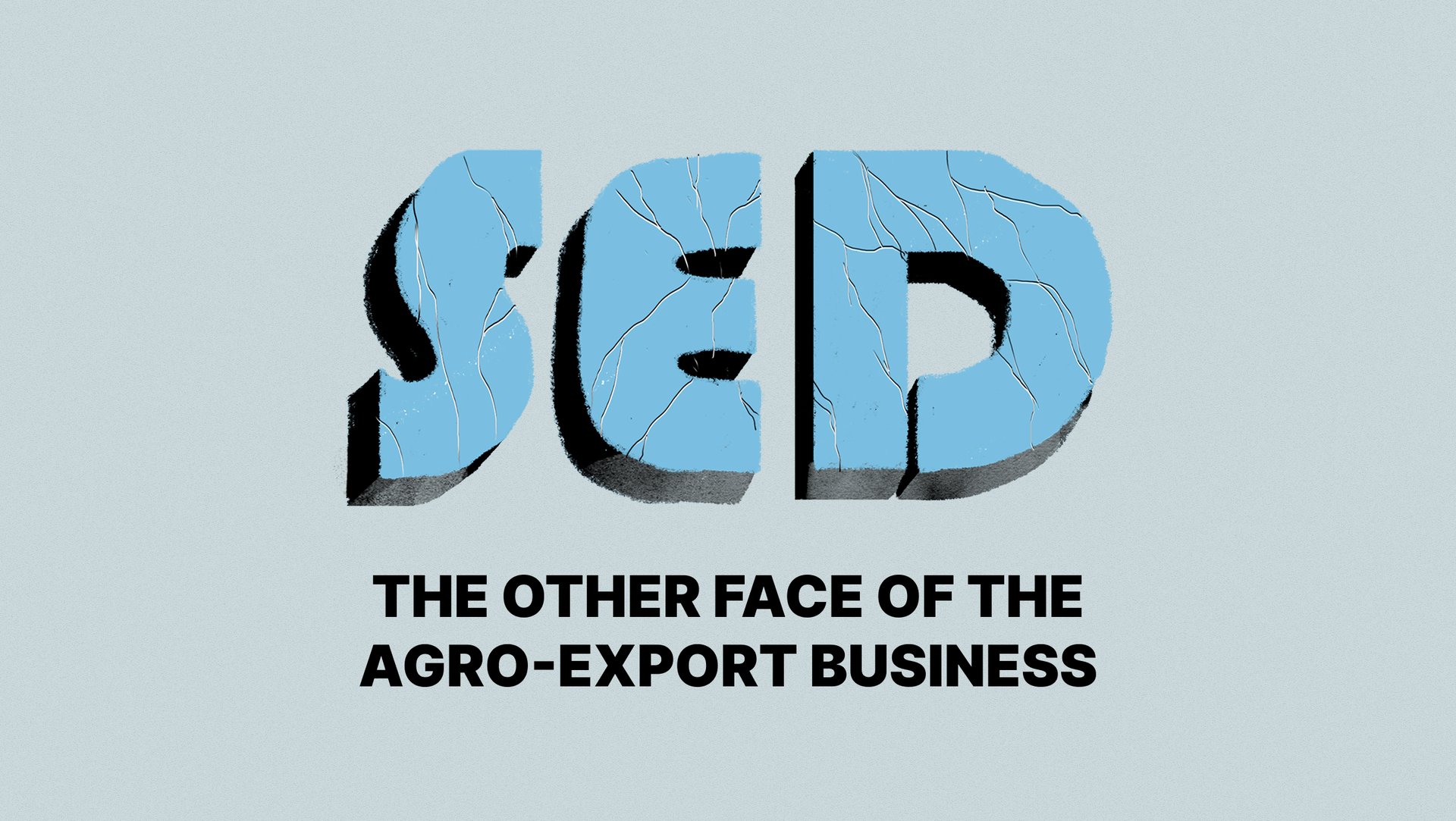
That is why this week we launched SED: the other face of the agro-export business, a journalistic series that seeks to show how water is used, what the State is doing (or failing to do), and how this activity impacts the lives of people and territories.
The first report in this series reveals how the Peruvian government is restructuring the ANA, the entity responsible for deciding who can use water and in what quantity. The process has been presented as a way to improve management, but in practice, what is happening is something else: controls are being cut, regulations are being relaxed, and oversight is being weakened, precisely when it is needed most.
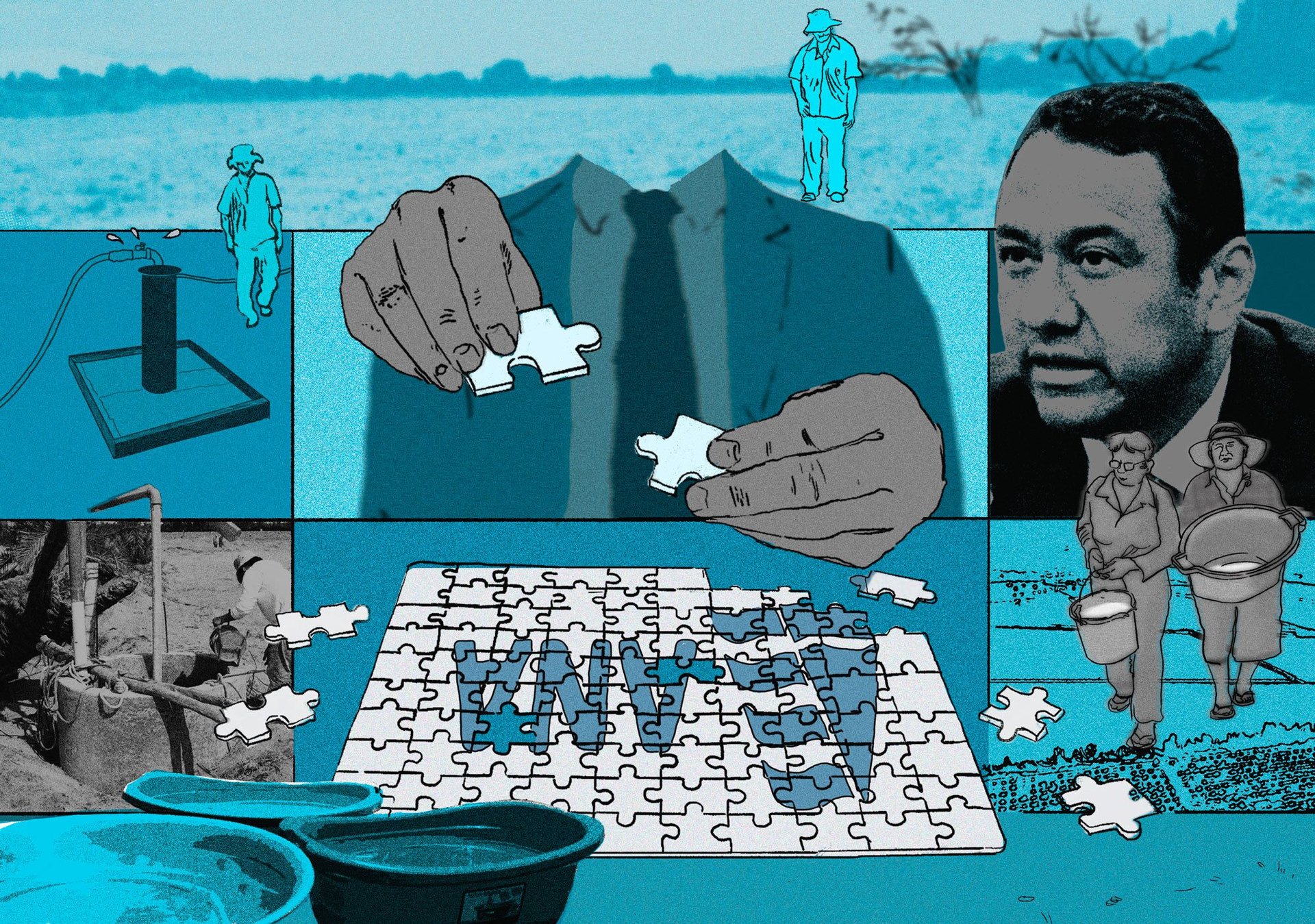
Leading this reform is Minister Ángel Manero, whose family owns a mango export company. He entrusted the design to an advisor with previous ties to agro-exporters. And many of the proposals that came out of that team are already underway: technical requirements for opening wells in areas where water is already overexploited have been eliminated, environmental regulations have been relaxed, and changes are being proposed that could open the door to an unregulated water market without state control.
Meanwhile, the ANA barely has 59 inspectors to supervise more than 460 thousand permits nationwide. And in many rural and high-Andean areas, water is increasingly scarce. In a scenario of climate change and overexploitation, entire communities see their access to water for drinking, cooking, or planting diminish.
The agro-export model has brought Peruvian products to tables around the world, but it has also generated inequalities.
In this series, we will tell several of those stories: from the headwaters of water in the Andes that are diverted to irrigate fields on the coast, to the effects of an increasingly extreme climate and the overexploitation of the resource to sustain this model. We will also talk about the conditions under which this activity develops, where many workers still labor by piece rate and without rights. Because understanding the agro-export business involves looking not only at what is grown, but how, with what water, and at whose expense.
Water cannot continue to be seen as just another input for the business. It is a common good, and its fair distribution should be a priority. In Peru, today, it is not.

Bertha Challenge Fellowship